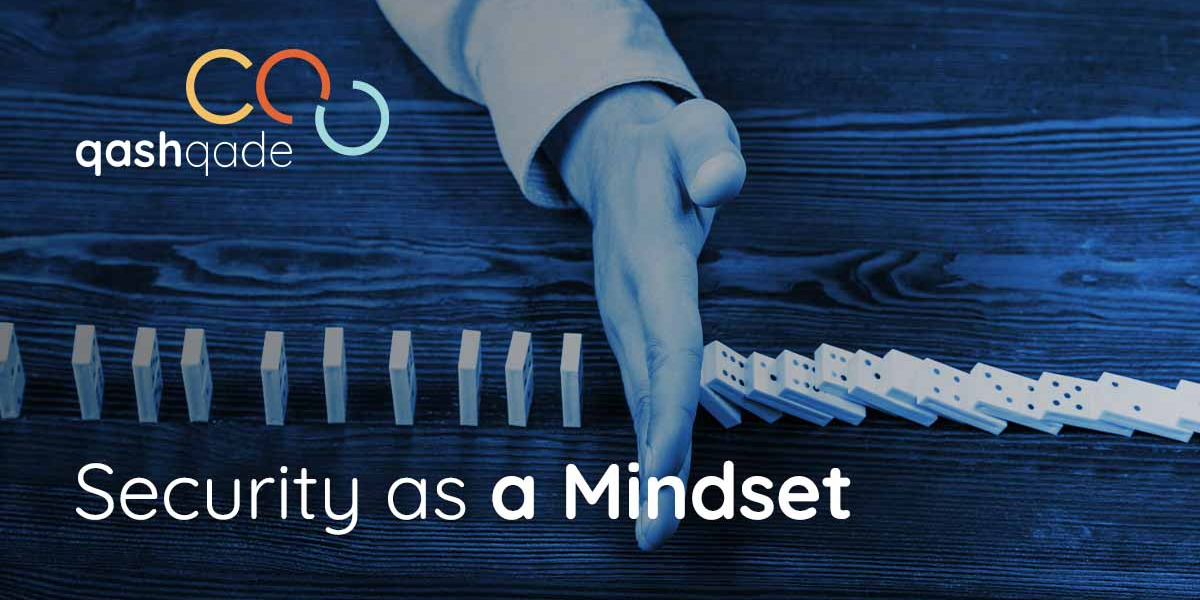

When it comes to cybersecurity, Paul Foley, CTO of qashqade, emphasizes that security is not just a checklist, it’s a mindset. But what does that really mean in practice? We’ve spoken to Paul to find out:
At qashqade, this mindset starts with one simple but powerful question for leadership: “What business outcomes are we safeguarding and against what threats?”
For qashqade, the answer is clear: enable seamless operations and exceptional client experiences within a secure, high-performing, and resilient environment. While security often falls under IT’s remit, the reality is that security must be embraced across every part of the organization.
Embedding a Security Mindset Across the Business
Security is everyone’s business. Executives at qashqade play a two-fold role:
- Inspire teams to put client trust at the heart of everything they do
- Ensure that designed controls aren’t just theoretical; they actually work in practice
Having detailed policies is important, but it’s proof through operations and audit that turns policies into trusted reality.
Assurance Through Audit and Continuous Improvement
To back this mindset with concrete assurance, qashqade holds a SOC 2 Type II certification, which involves:
- Policy definition: Clear, measurable standards set by leadership – defining required controls, ownership, and compliance measurement
- Ongoing review: Scheduled policy reviews that include feedback from across the company, encouraging front-line insights and continuous improvement
- Independent validation: External auditors verify that controls are not only well-designed but effectively implemented
This framework transforms abstract security policies into verifiable protections that clients and stakeholders can trust.
Operationalizing Risk with Real-World Testing
Security isn’t just a document to file away, it’s a living practice. qashqade’s approach includes:
- A tiered training program ranging from concise briefings to deep-dive workshops, building awareness and expertise
- Regular red team simulations and disaster recovery drills that convert theory into practice
- These “serious games” don’t just test defenses; they inspire teams, highlight business impacts, and reveal new opportunities to strengthen security posture
Empowering Teams to Own Security
Here’s a guiding principle inspired by Andrew Carnegie:
“No person will make a great business who wants to do it all himself or get all the credit.”
By hiring talented professionals and giving them the mandate and framework to lead on security, qashqade fosters a culture of ownership. This empowers teams not just to react to evolving risks and regulations but to anticipate and drive forward as trusted partners for their clients.
Why Security Mindset Matters
In today’s fast-changing risk landscape, security cannot be a static checkbox or siloed responsibility. It must be a dynamic, company-wide commitment embedded in culture, operations, and leadership.
If you want to learn more about building security and resilience from the ground up, download our free eBook: Operational Resilience in Private Markets featuring Paul Foley’s expert insights.